The Singapore maritime industry is changing drastically and reliability of port and terminal facilities is significant. Operators are investing in more intelligent inspection and maintenance methods to enhance the safety and integrity of marine operations and minimize unplanned repair expenses as marine structures are exposed to corrosion, biofouling, tidal forces and vessel traffic.
Inspection cleaning of Marine Jetty piles, particularly in Commercial Ports, oil terminals and industrial facilities on the coast is one of our priorities. In the marine industry, new technologies and maintenance methods are reducing the need to replace critical structures and ensure a high level of safety and requirements for the environment.
Discussion about relevance and importance of Jetty Pile Maintenance
Marine platforms, loading terminals and docking systems are stabilized with the use of jetty piles. Over time, they can be degraded because of the persistent impact of seawater, salt deposits, marine organisms and waves.
Underground damage can sometimes occur without being detected and may lead to:
- Structural deterioration
- Corrosion-related failures
- Reduced load-bearing capacity
- Expensive emergency repairs
- Operational downtime
That’s the main reason why many facility operators are concerned with the maintenance of the port and jetty piles for long-term asset management.
The Advanced Underwater Inspection Technologies will be a turning point
will mark an important turning point for Advanced Underwater Inspection Technologies.
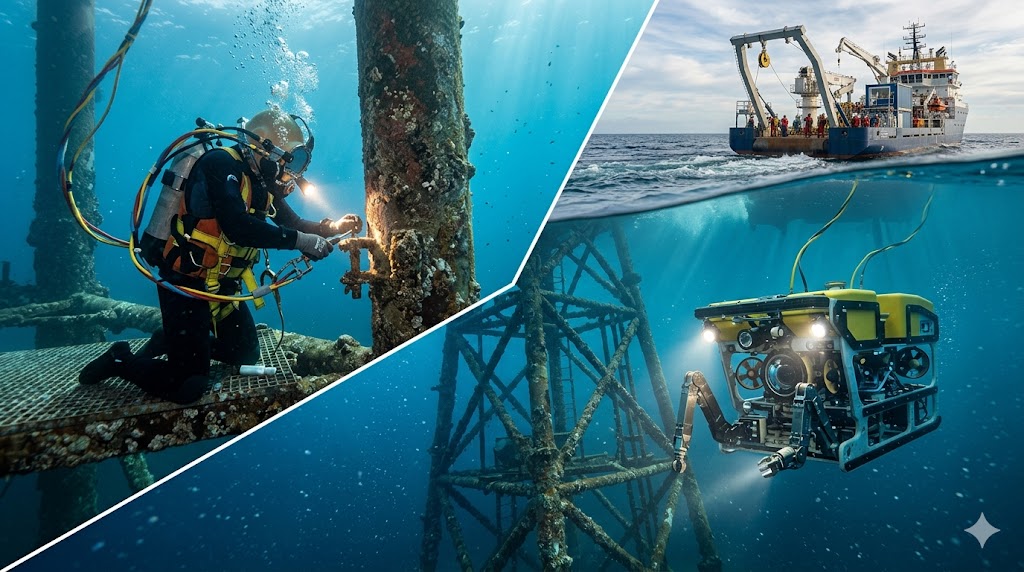
The usual manner of inspection would be through manual inspections by divers. The industry now seeks for better, more precise, more secure, and more effective ways of examining and analyzing underwater structures like jetty piles today.
ROV-Assisted Inspection Systems
Remotely Operated Vehicles (ROVs) are being used more and more for:
- High-definition underwater imaging
- Real-time structural monitoring
- Corrosion mapping
- Identification of cracks/damages
- Crack/damaged identification
- To investigate the deposition of sediment and the growth of sea life
ROVs increase the accuracy of underwater inspection, while minimizing risk to the operator.
Digital Condition Monitoring
Today, new underwater pile condition assessment methods are available, such as:
- Ultrasonic thickness testing
- Cathodic protection monitoring
- Sonar-based imaging
- AI-assisted defect reporting
The technologies are useful for marine engineers to identify the small problem in the structure before it becomes a big creep!
There is expected to be an increased demand for marine cleaning services
In the industry, it’s been expected that marine cleaning service will be in great demand.
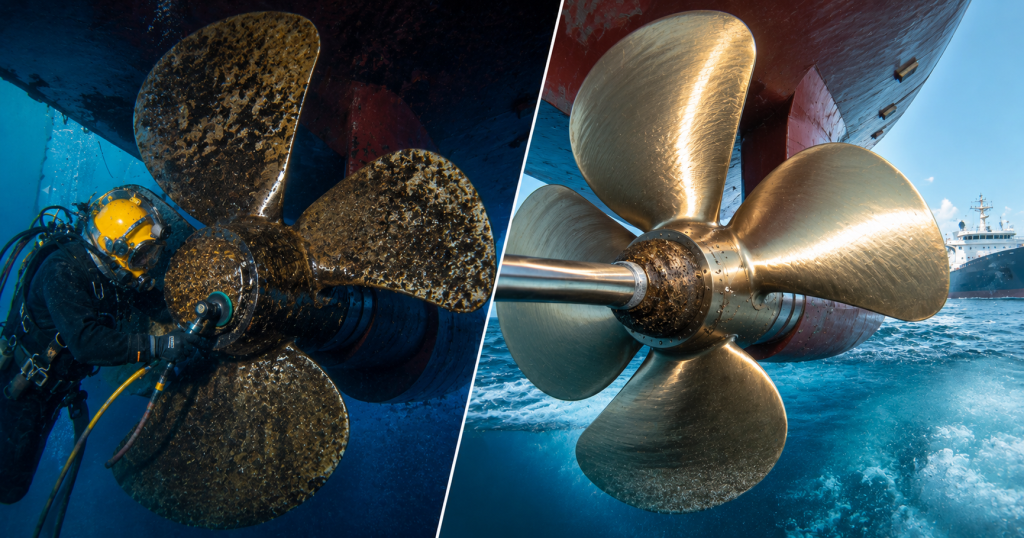
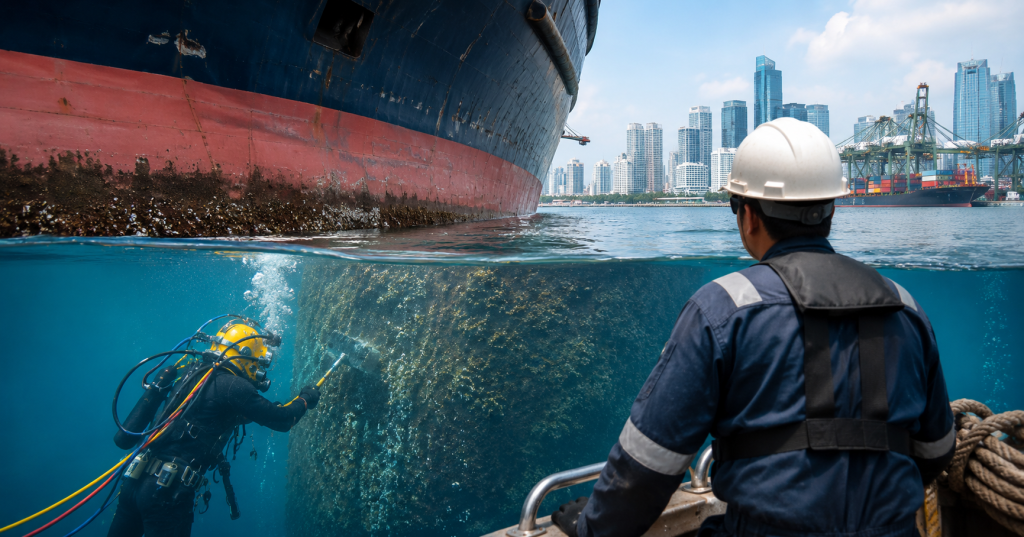
Marine growth, such as mussels, algae, shell deposits and barnacles can have a significant impact on structural performance. Biofouling may also lead to higher maintenance expenses and to corrosion.
Therefore, many marine pile operators are making use of professional marine pile cleaners and the typical cleaning of underwater piles.
Clean-up will have numerous benefits
Regular marine growth removal of jetty piles has several benefits:
- Improves inspection capabilities of the structure
- Prevents corrosion acceleration
- Enhances operational safety
- Supports regulatory compliance
- Extends infrastructure lifespan
Preventive cleaning is beginning to be implemented – particularly in fast-paced ports such as Singapore – where the lack of preventive maintenance remains the norm.
Investments in preventive maintenance are the reason behind Singapore’s ports
Notwithstanding all these developments, Singapore continues to be one of the busiest ports in the world with significant shipping activities and much maritime activity. This has resulted in the need for effective solutions for underwater jetty inspection in Singapore that can cause minimal disruption to the infrastructures yet maintain its performance.
The current approach by port authorities and private operators is to:
- Scheduled underwater surveys
- Predictive maintenance strategies
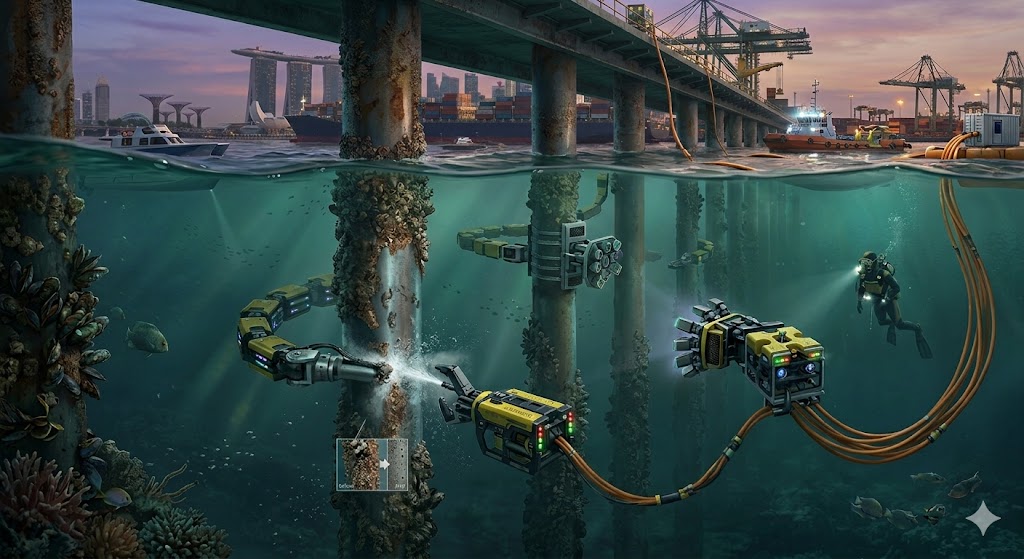
- Robotic inspection systems
- Use of more environmentally friendly cleaning methods
- Data-driven maintenance reporting
This change will help ensure the maximum uptime and asset lifespan.
The following are some of the major areas of maintenance inspection of offshore jetties
A professional offshore jetty maintenance inspection will take the following main steps:
- Cracks and deformations in structures
- Corrosion severity
- Marine growth accumulation
- Coating condition
- Erosion of seabed and scour
- Structural alignment issues
Integrated cleaning and inspection to deliver more accurate reporting and facilitate quicker maintenance decision making.
Modern Marine Maintenance’s contributions to support sustainability
Modern Marine Maintenance’s role in Sustainability.
More and more, the idea of sustainability is becoming more prevalent across the entire maritime industry worldwide. The marine structure cleaning companies in today’s day and age use environmentally friendly methods to clean marine structures with minimal effect on the environment and proved to be efficient.
There are lots of companies that are moving to:
- Low impact water cleaning equipment
- Non-destructive testing methods
- Reduced chemical usage
- Energy-efficient robotic systems
These practices help with efficient operations and environmental compliance objectives.
FAQs
In what ways is it important to survey underwater jetties?
Subsea surveys are used to help identify corrosion, cracking and marine fouling and structural damage before it becomes a serious hazard to safety or a problem to operation.
Each day, each week, each month or each year?
Most marine facilities have annual or every other year inspections depending on the environment, traffic and regulatory requirements.
Why are marine piles of jetty structures damaged?
The most frequent reasons for deterioration are due to saltwater exposure, corrosion, marine organisms and wave action, along with the heavy loading conditions.
What value is there in using ROVs for undersea inspections?
ROV inspections are beneficial in terms of Safety, Downtime, Quality images, and reaching areas which are hard to access with minimum dives involved.
How will sea plants affect jetties?
Marine growth retains water, causes corrosion, creates structural stresses, and can not be seen when inspecting surface damage.
Conclusion
Due to the increase in the complexity of marine operations and deterioration of marine infrastructure, there is an increasing need for port and offshore infrastructure maintenance in advance. Operators are improving safety, minimising repair costs and maximising service life of key marine assets with the help of advanced inspection technologies, robotic systems and preventive cleaning strategies offered by experienced marine service providers such as MasterTech Singapore.
Smart planning of maintenance will be necessary in the future for future ports. For modern ports, planning maintenance, will no longer be a choice. Today it is a imperative in the maritime sector to be reliable, compliant and efficient for the future.