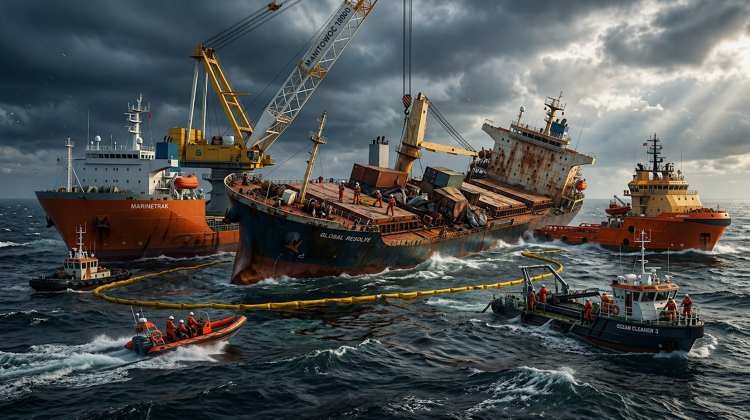
What Is Salvage and Emergency Response? A Complete Guide to Marine Recovery, Incident Management, and Environmental Protection
The maritime industry is one of the toughest industries in the world. With all the technological improvements in ships, ship navigation, and ship safety, accidents can still happen. Incidents such as groundings, collisions, flooding, fires, structural damage, and oil spills can rapidly become significant events that pose a risk to life, property, and marine resources.
That is the time when salvage and emergency response services are a must. The operations are specially conducted to stabilize the incident, recover damaged vessels, protect the environment, and restore normal maritime activities as efficiently as possible.
This guide describes the process and phases of marine recovery and the importance of quick response to marine incidents for vessel owners, ports and offshore operators, and maritime stakeholders.
Understanding Salvage and Emergency Response
Salvage and Emergency Response: A coordinated response to incidents at sea and to the recovery of damaged ships, cargo, or assets, which are stranded, sunk, or endangered.
The main goals are:
- Protecting human life
- To prevent further damage to the vessel.
- Recovering valuable assets
- Minimizing environmental impact
- Restoring navigational safety
- Reducing operational downtime
The operations frequently require cross-disciplinary teams including marine engineers, naval architects, emergency response experts, and offshore commercial diving services.
Common Maritime Incidents Requiring Emergency Intervention
Marine emergencies may take the form of:
Vessel Grounding
It can be caused by navigation mistakes, weather conditions, or mechanical issues. Stabilization, hull assessment, cargo management, and refloating strategies are usually involved in grounded ships.
Ship Collisions
Collisions can cause structural damage, flooding, cargo damage, and environmental hazards. Catching and intervening early to prevent further deterioration and secondary incidents.
Sinking and Flooding
Hull breaches can lead to water ingress, which may compromise vessel stability. Emergency teams perform damage assessments and dewatering and recovery operations.
Offshore Infrastructure Emergencies
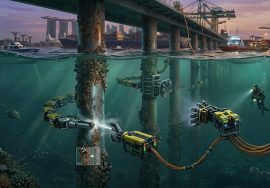
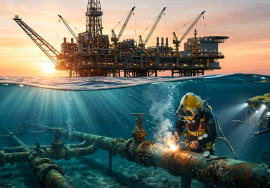
Specialized recovery support for undersea oil platforms, subsea pipelines, and marine construction may be needed, which can involve underwater marine services and commercial diving operations.
Marine Pollution Incidents
Fuel leaks and releases of other materials are subject to the need for immediate containment to minimise ecological effects and regulatory implications.
Key Stages of Marine Salvage Operations
Emergency Assessment
The first step is to assess the situation and look for risks that are immediate. Teams collect data on conditions on board, the vessel’s position, weather, cargo, and threats to the environment.
Rapid assessment helps responders to determine a sound recovery plan and ensures crew safety.
Stabilization Measures
In order to be able to recover the vessel, it needs to be stabilized before recovery can happen. This may involve:
- Temporary hull repairs
- Flood control measures
- Cargo redistribution
- Structural reinforcement
- Anchor deployment
Stabilization helps keep things from getting worse and helps to make it safer for recovery workers.
Recovery Planning
An experienced specialist can develop a recovery plan by designing one around technical and environmental factors.
Factors considered include:
- The weight and the size of the boat.
- Water depth
- Seabed conditions
- Tidal movements
- Structural integrity
- Nearby marine traffic
Effective planning can significantly improve the success of vessel recovery operations.
Recovery Execution
Depending on the incident, recovery techniques might involve:
- Refloating grounded vessels
- Heavy lifting operations
- Dewatering procedures
- Wreck removal
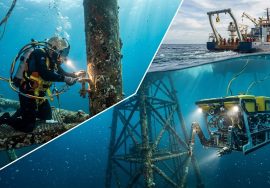
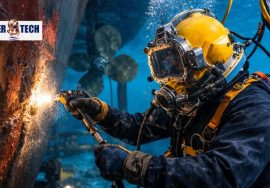
- Cutting and welding underwater.
- Subsea inspections
These stages can be important for specialized diving teams.
Post-Incident Restoration
Some post-recovery activities may include environmental clean-up, debris clean-up, damage investigation, and regulatory reporting following recovery.
The Importance of Maritime Incident Management
The recovery is only part of the maritime incident management. It includes the handling of the resources, stakeholders, and technical experts, making sure the incident is handled safely and effectively.
An effective incident management helps:
- Reduce financial losses
- Protect crew members
- Prevent operational disruptions
- Maintain regulatory compliance
- Preserve corporate reputation
Having a structured response framework enables decision makers to respond rapidly in the midst of a crisis.
Environmental Protection During Marine Emergencies
Marine environmental protection is an important part of marine protection in all modern marine recovery projects. Uncontrolled, relatively small-scale events can have long-term ecological impacts.
Some of the actions taken for the protection of the environment are:
Oil Spill Containment and Cleanup
Specific teams use booms, skimmers, absorbent materials, and recovery systems to prevent the spread of pollutants.
Hazardous Material Management
Emergency responders search for and locate hazardous materials that may pose a risk to marine life.
Ecosystem Preservation
Sensitive areas like coral reefs, fisheries, and coastal ecosystems will need other protection measures during recovery.
Operators can focus on oil spill containment and cleanup to minimize impact on the environment and meet international maritime regulations.
The Role of Commercial Divers in Marine Recovery
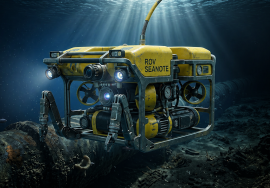
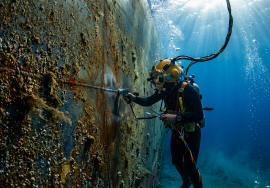
In complicated marine situations, professional diving teams are sometimes essential. An advanced offshore commercial diving service involves skilled underwater workers who undertake essential tasks that may not be achievable with ROVs.
These tasks include:
- Hull inspections
- Underwater surveys
- Damage assessments
- Emergency repairs
- Salvage rigging installation
- Debris removal
They bring their expertise to speed the decision-making process and help recovery in an effective manner.
Why Rapid Response Matters
One of the most critical elements in maritime emergencies is time.
A delayed response can result in:
- Increased vessel damage
- Higher recovery costs
- Environmental contamination
- Extended operational downtime
- Greater safety risks
Having access to trained marine recovery specialists can help organizations enhance their emergency preparedness and resilience.
Frequently Asked Questions (FAQs)
Q1. What’s the difference between marine salvage and emergency response?
Marine salvage is about the recovery of ships, cargo, or assets, whilst emergency response deals with the situation of an imminent threat to life, property, and the environment. Both services may be involved in marine emergencies.
Q2. Which types of vessels need salvage services?
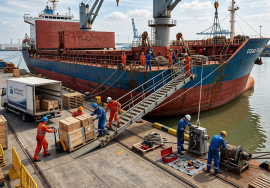
Incidents can involve cargo ships, tankers, offshore support vessels, fishing boats, tugboats, barges, or passenger vessels, and all of them may need to be recovered.
Q3. What will be done in case of a marine emergency if an oil spill occurs?
Specialized response teams set up containment systems, skimmers, recovery equipment, and environmental monitoring programs to reduce the extent of pollution and impact on marine ecosystems.
Q4. What do commercial divers do for marine recovery?
Successful recovery efforts rely on the work of commercial divers who give access to the water for inspections, repairs, lifting, and structural assessment.
Q5. What are the factors that affect the success of the vessel recovery operations?
Many factors contribute to the success of a recovery, including weather conditions, water depth, vessel condition, equipment available, response speed, and technical expertise.
Conclusion
The nature of marine emergencies can occur at any time and may have serious consequences for the safety of the crew, the ship, the business, and the environment. Professional Salvage and emergency response services ensure that maritime incidents are dealt with in a timely, safe, and effective manner.
In the event of a well-coordinated response, losses can be minimised, environmental damage avoided, and downtime kept to a minimum from marine salvage operations to vessel recovery operations, from maritime incident response to marine environmental protection. The technical expertise, speed, advanced underwater marine services, and offshore commercial diving, combined with a mastery of the recovery process, means that a team of experienced divers can assist owners in even the most challenging situations with confidence and ensure valuable assets and marine habitats are preserved.